DRONES, FAILED STARS
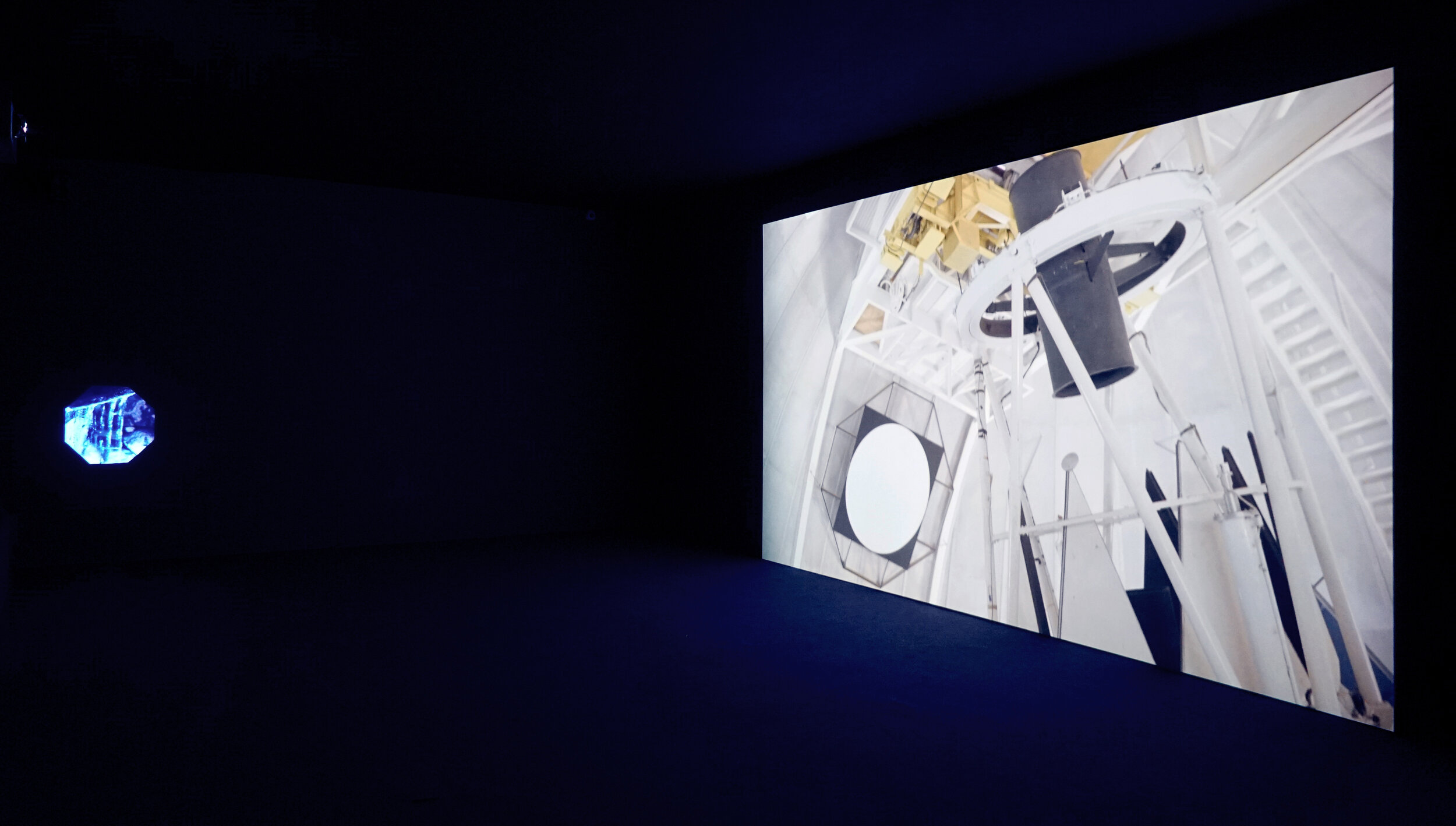
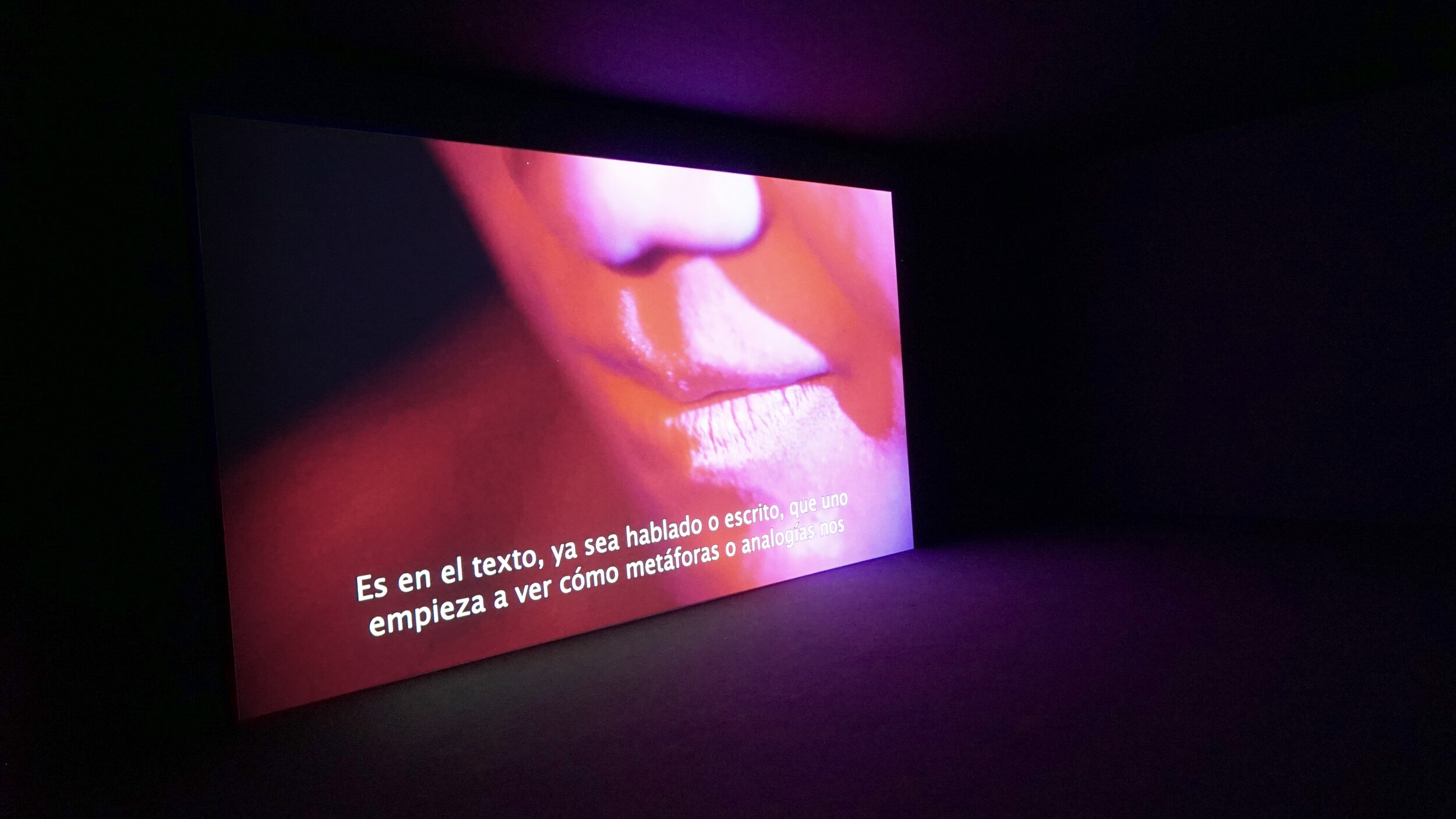
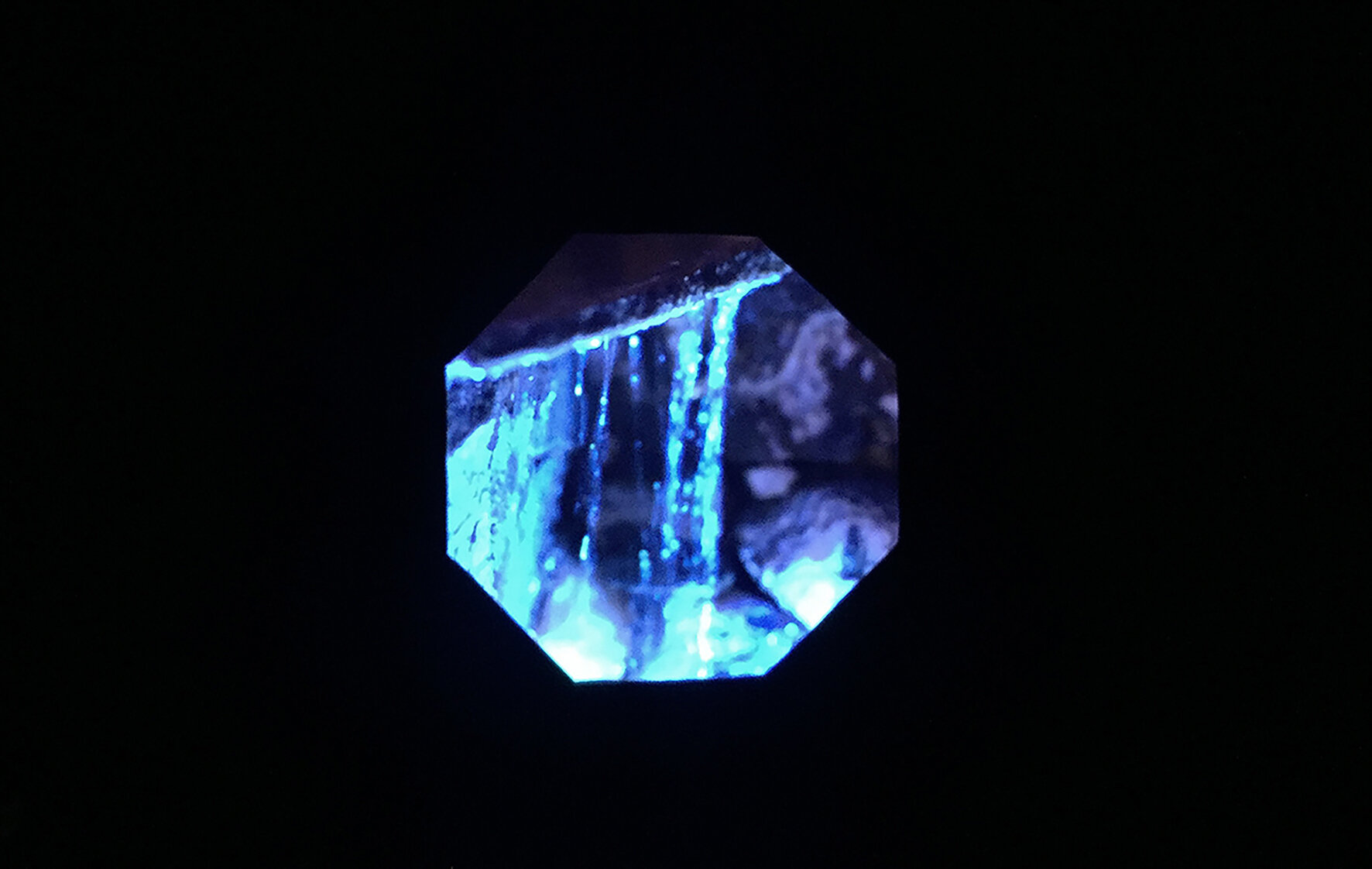
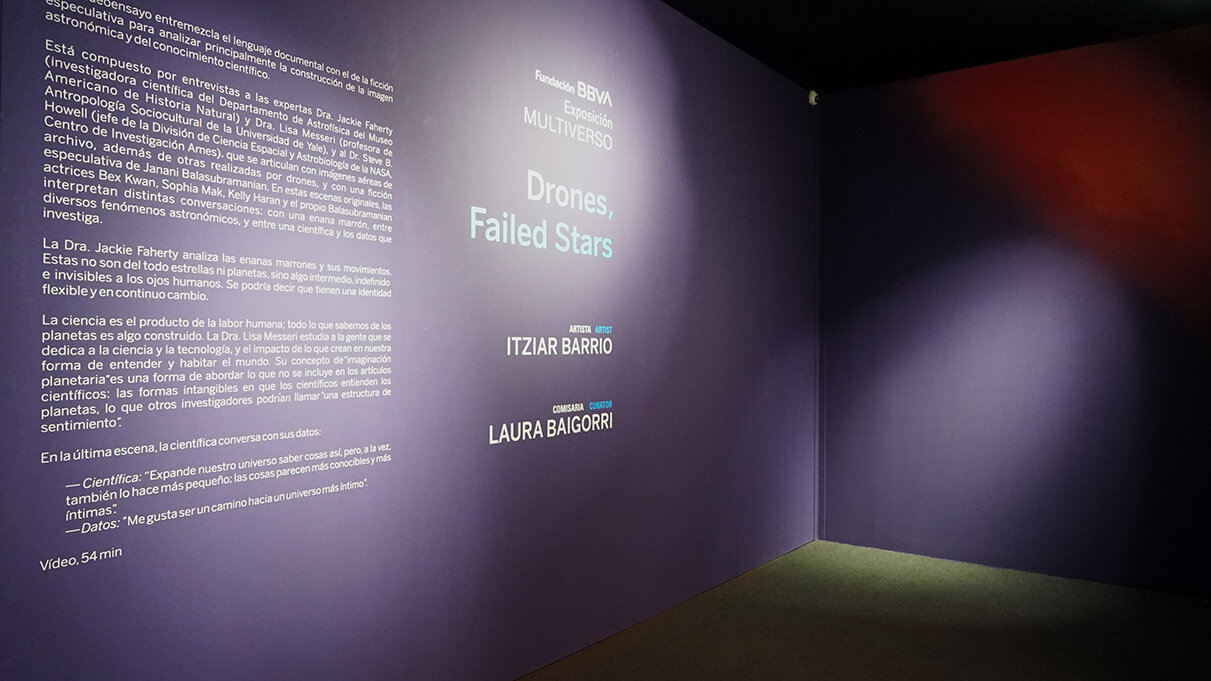
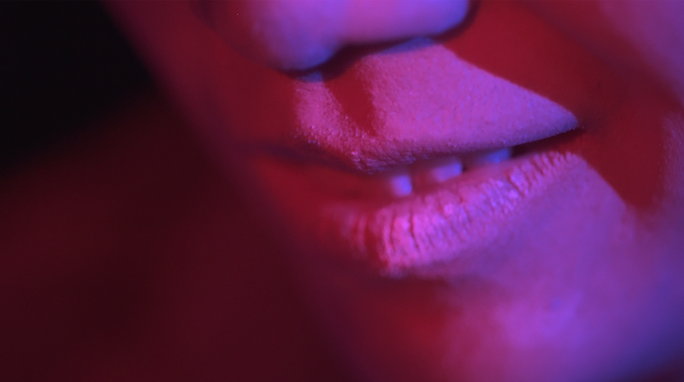
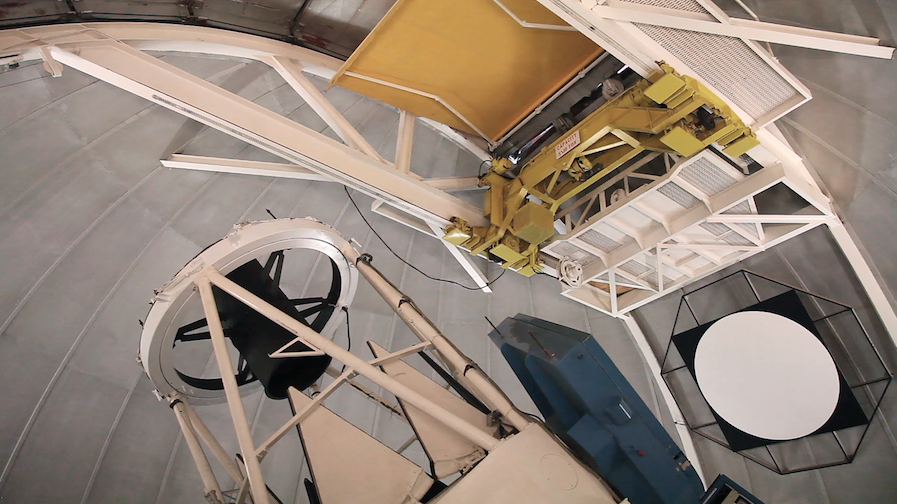
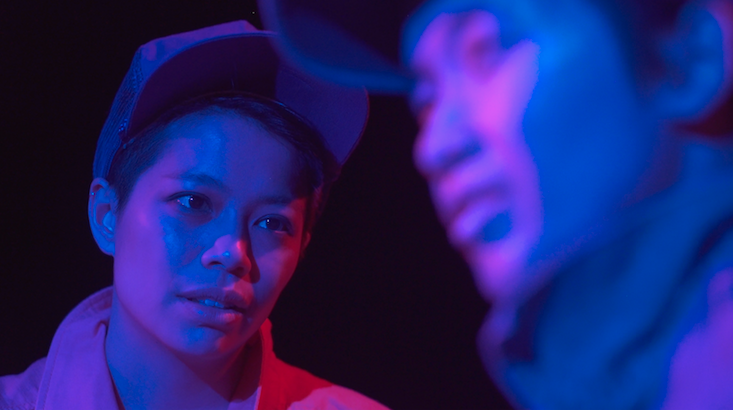
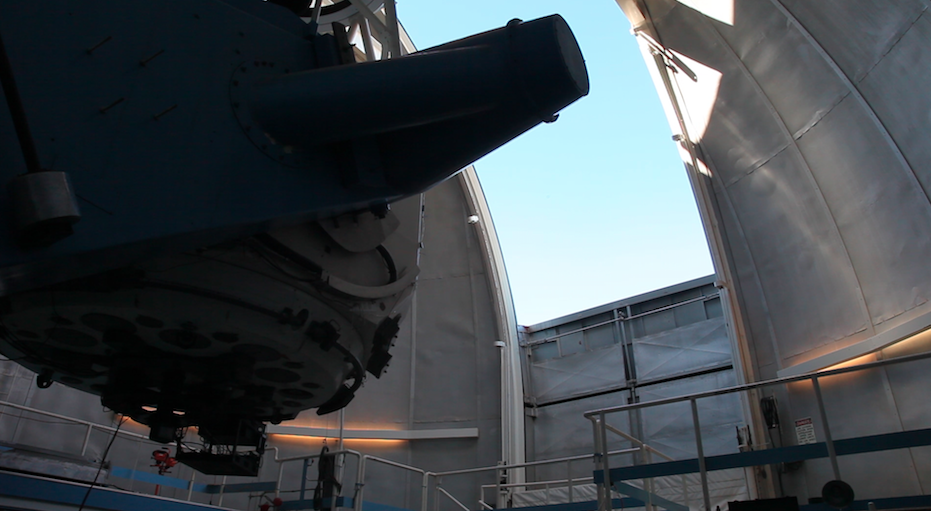
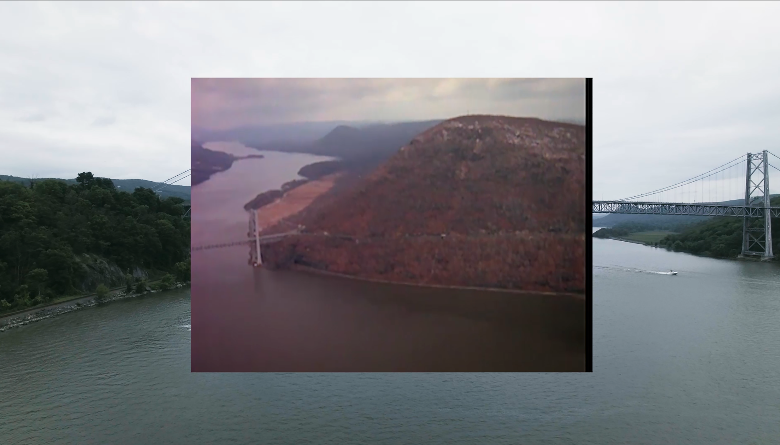
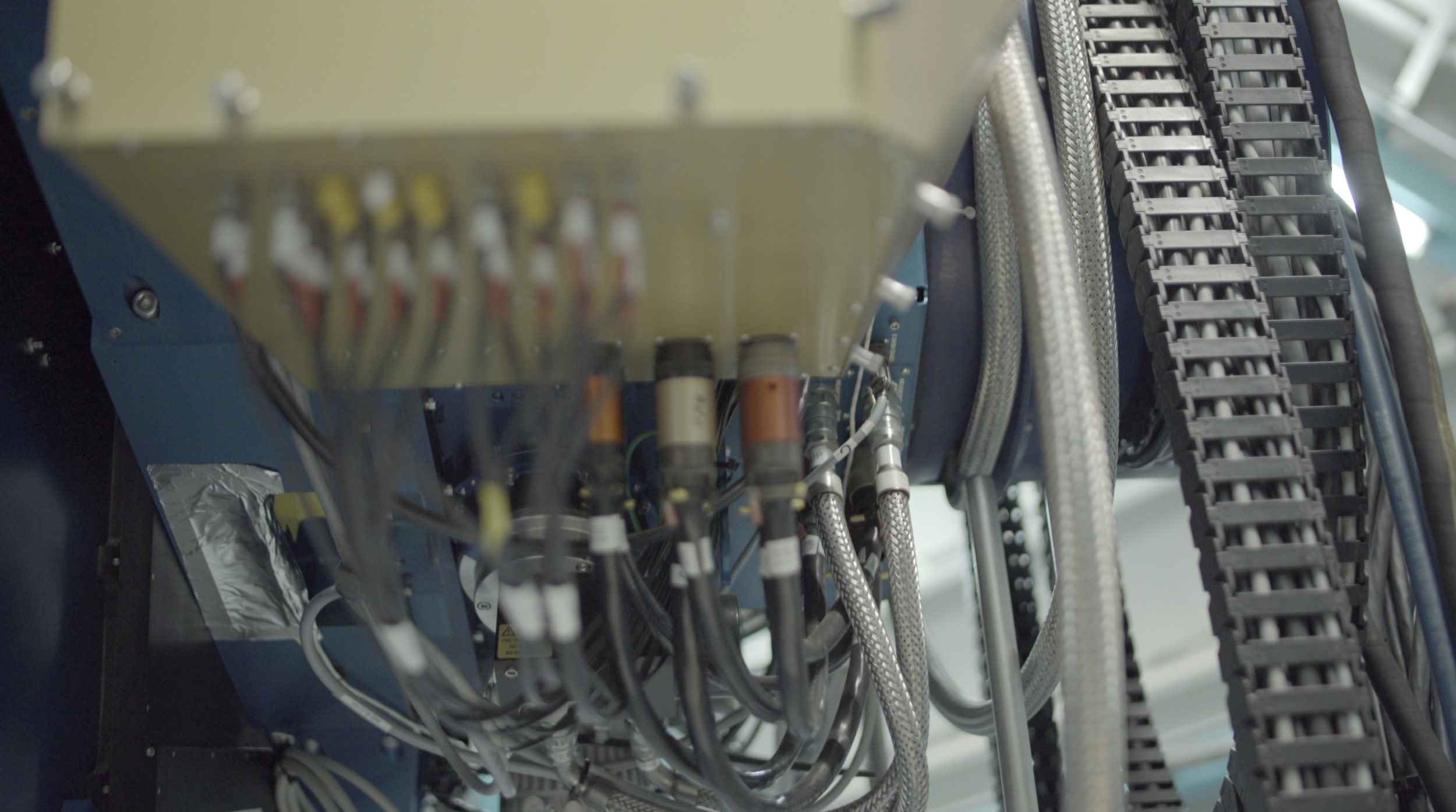
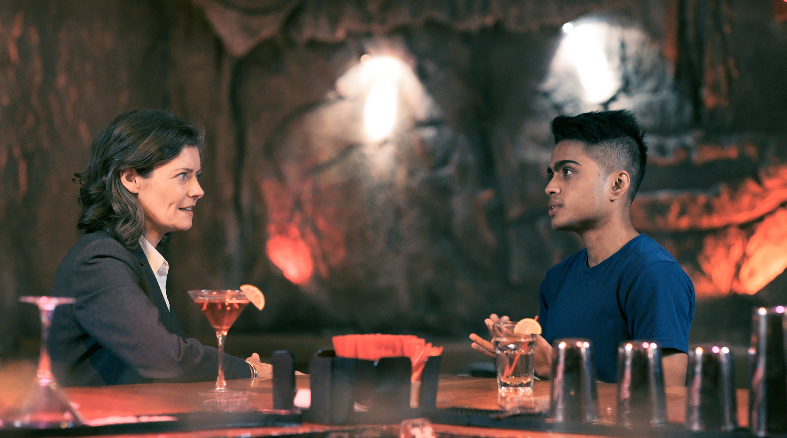
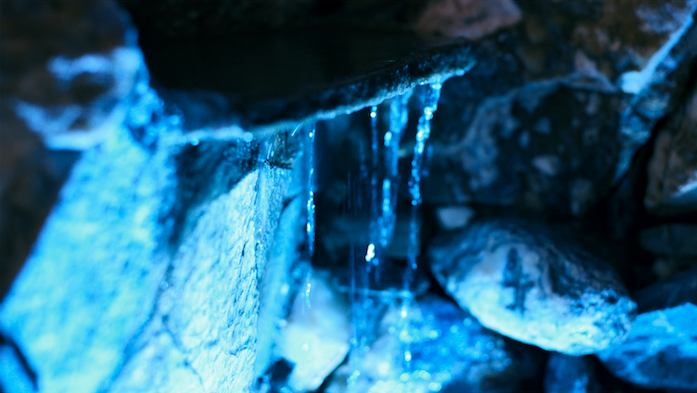
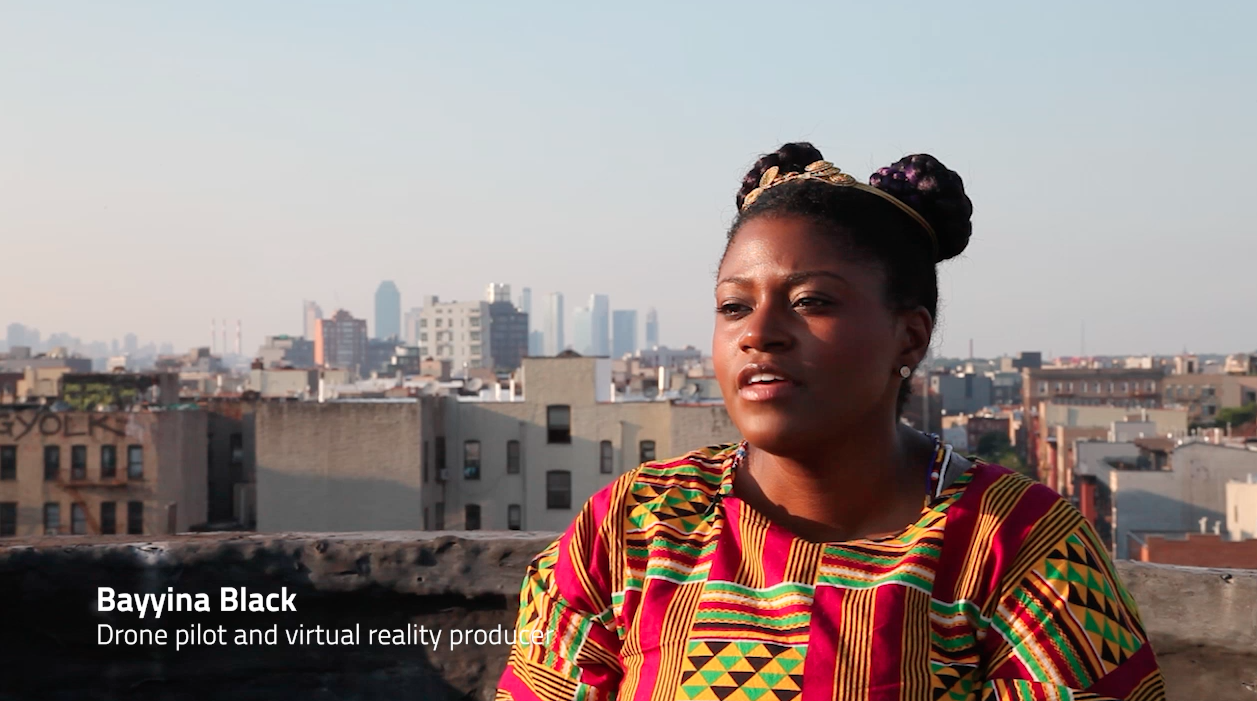
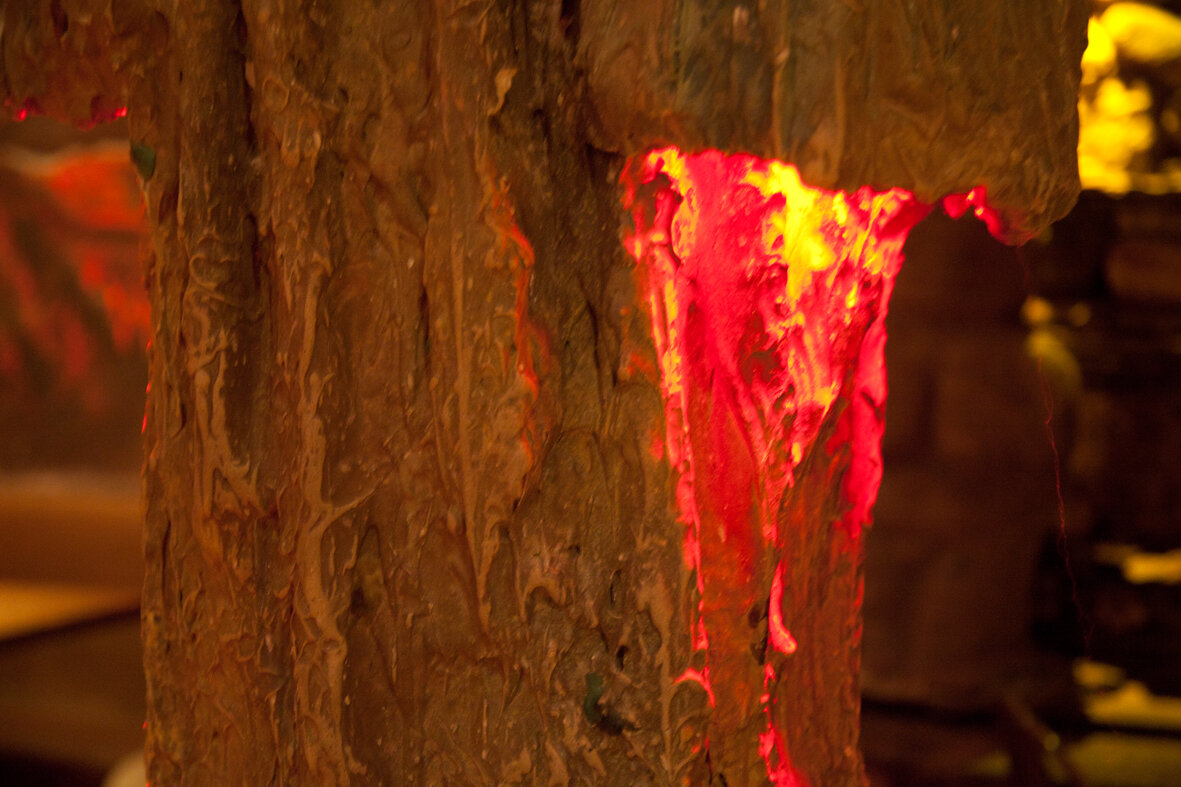
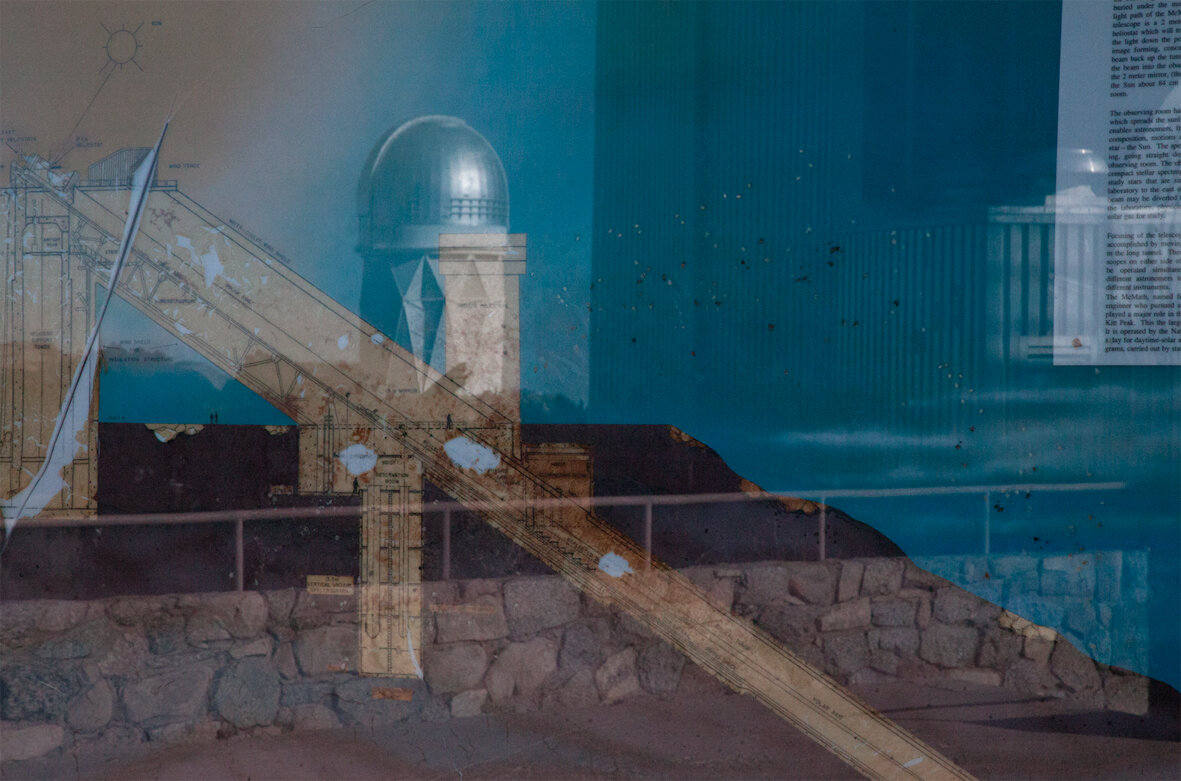
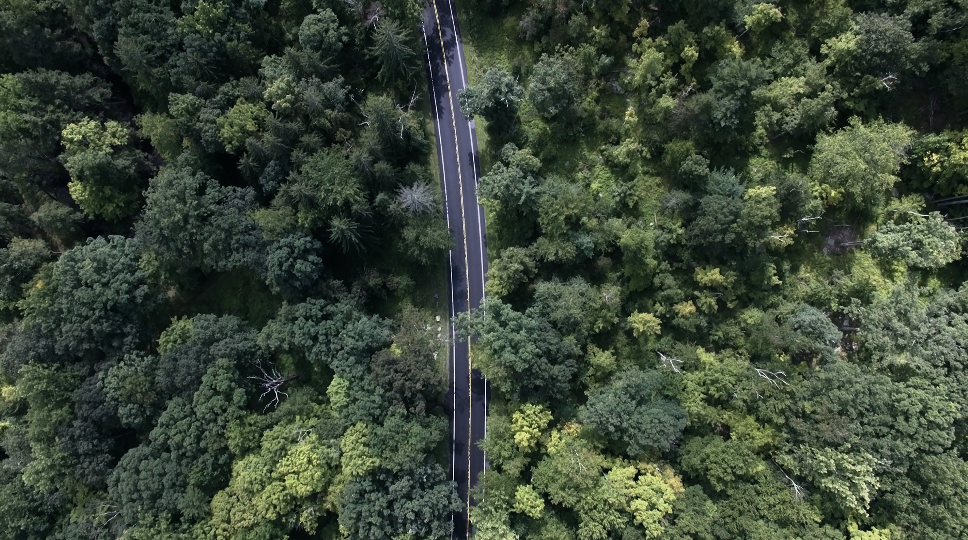
Video Installation. Fundación BBVA. Palacio del Marqués de Salamanca. Madrid. 2019
https://www.fbbva.es
DOWNLOAD BOOKLET
A Demon that Slips into Your Telescopes while You’re Dead Tired and Blocks the Light (2020) combines documentary elements with speculative fiction to expose the human construction of the astronomical image and scientific knowledge.This video essay is a work approached from the horizontality between human and non-human agents (brown dwarfs, telescopes, data, scientist).
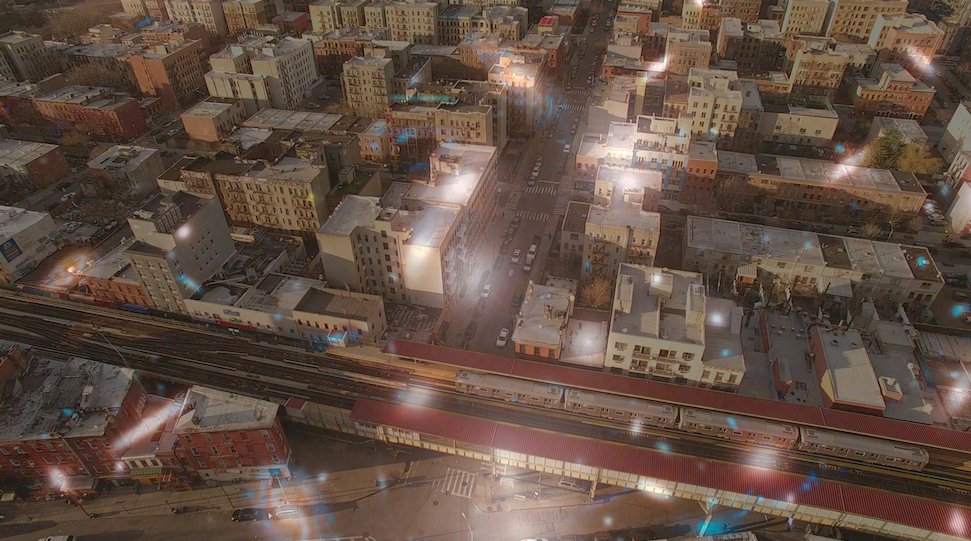
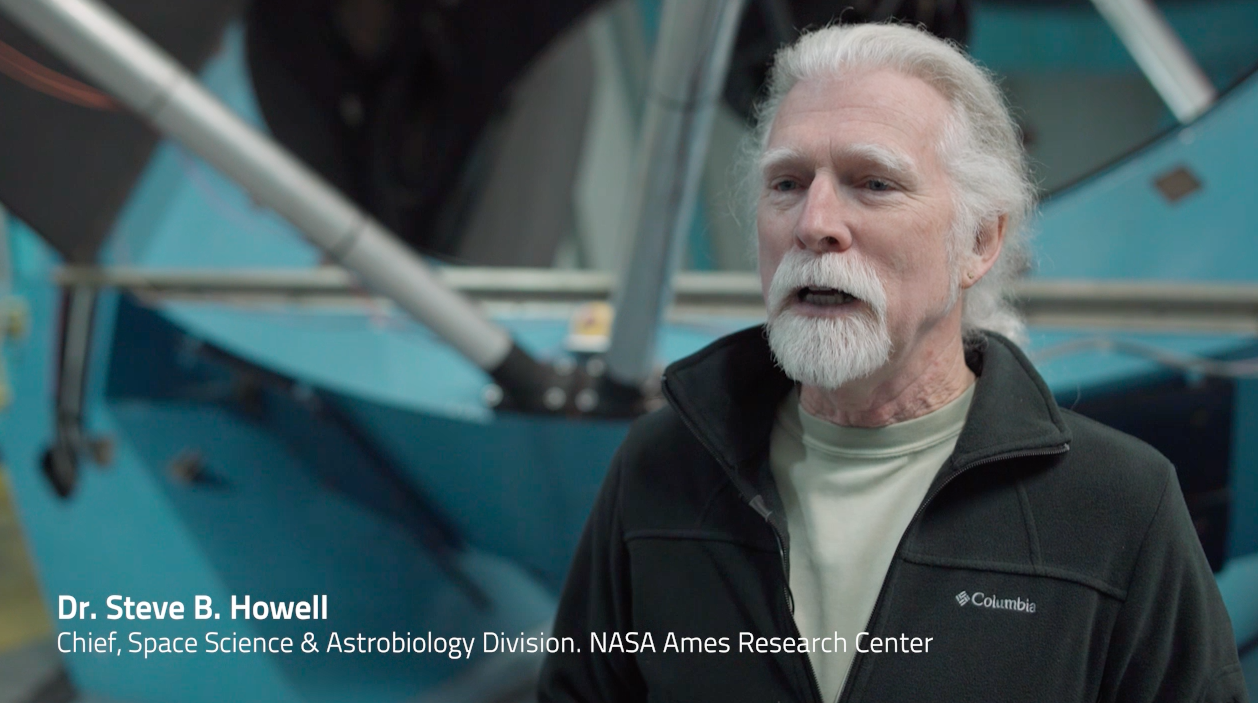
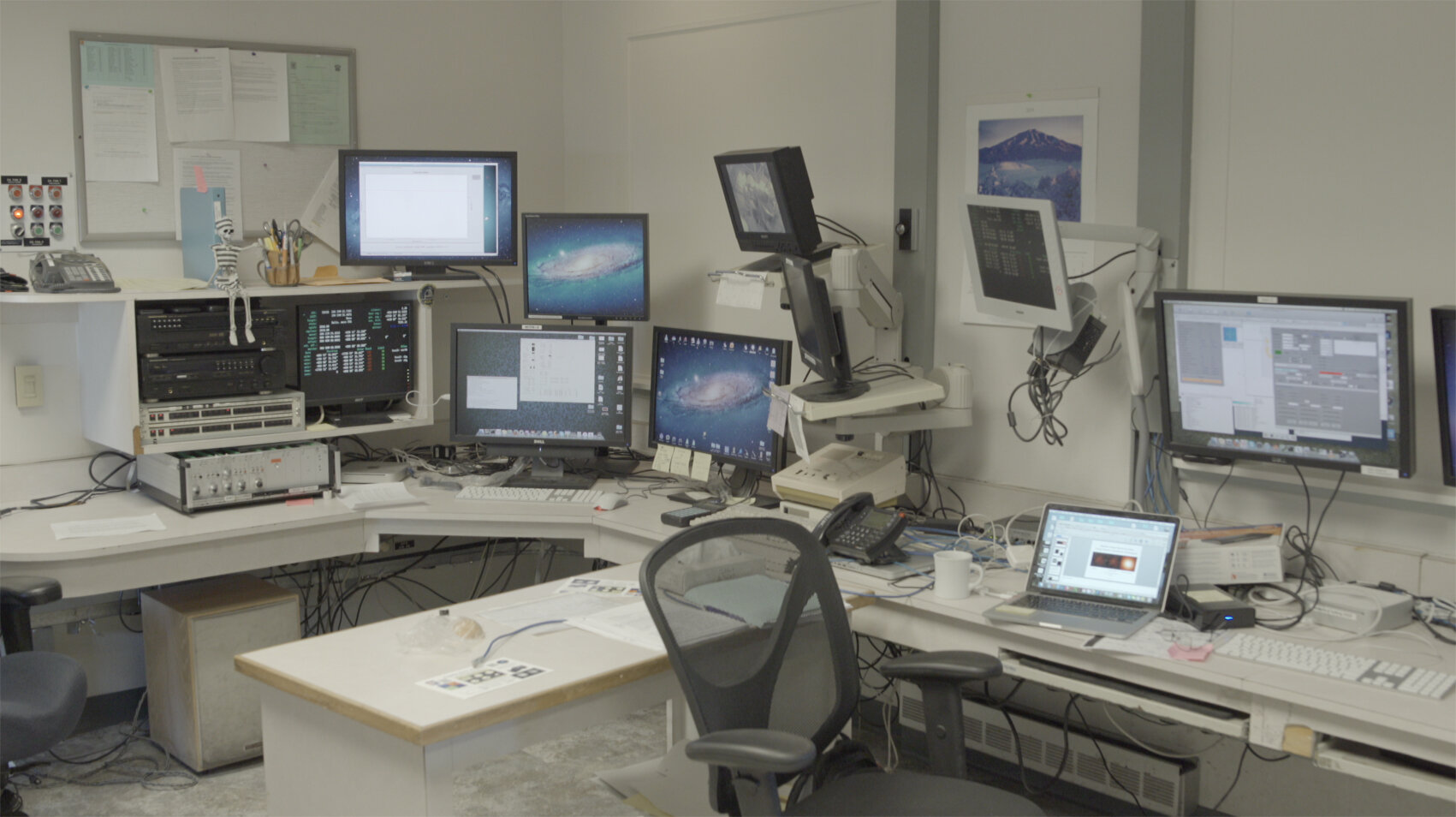
A Demon that Slips into Your Telescopes… illuminates how the people who work in science and technology impact our way of understanding and inhabiting the world, revealing the social constructs and forces of power that shape fields of “objective” knowledge. The film comprises interviews with experts in Astrobiology (NASA), Astrophysics (American Museum of Natural History), and Sociocultural Anthropology (Yale University), aerial images from NASA's archives, and original scenes dramatizing a speculative fiction by Janani Balasubramanian. In these scenes, actors perform conversations between astronomical phenomena, and between a scientist and her data. The elusive brown dwarf turns up throughout - these indeterminate celestial entities are not strictly stars or planets, but something in between, not visible to the human eye. You could even say that they have a flexible and constantly shifting identity. Exceeding and evading any singular classification, brown dwarfs teach us about the fissures in the construction of scientific knowledge and the importance of the indeterminate and non-visible.
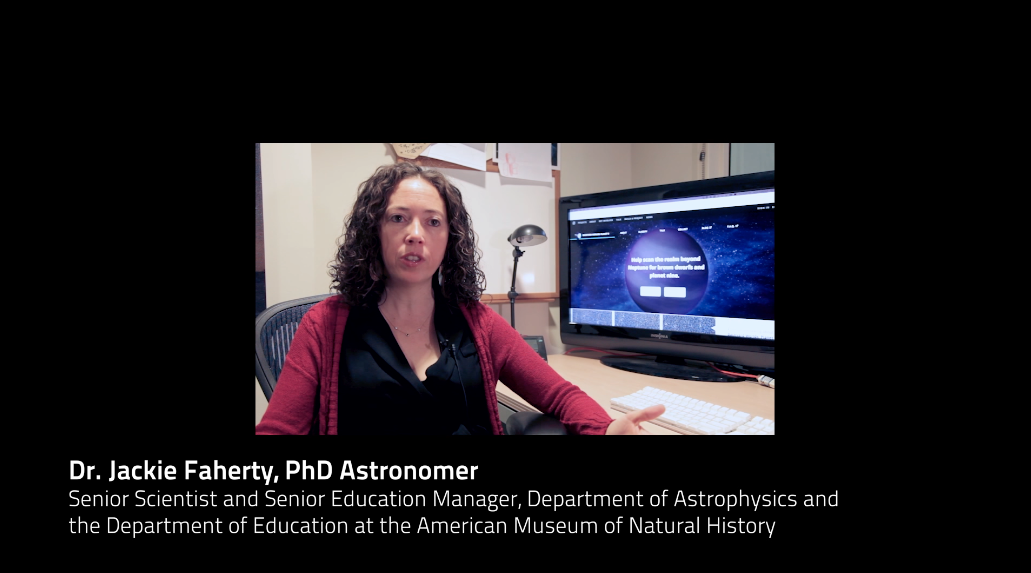
Dr. Jackie Faherty (Senior Scientist, Department of Astrophysics, American Museum of Natural History) analyzes brown dwarfs and their movements. They are not strictly stars or planets, but something intermediate, indefinite, and invisible to the human eye. We could say that they have a flexible and constantly shifting identity.
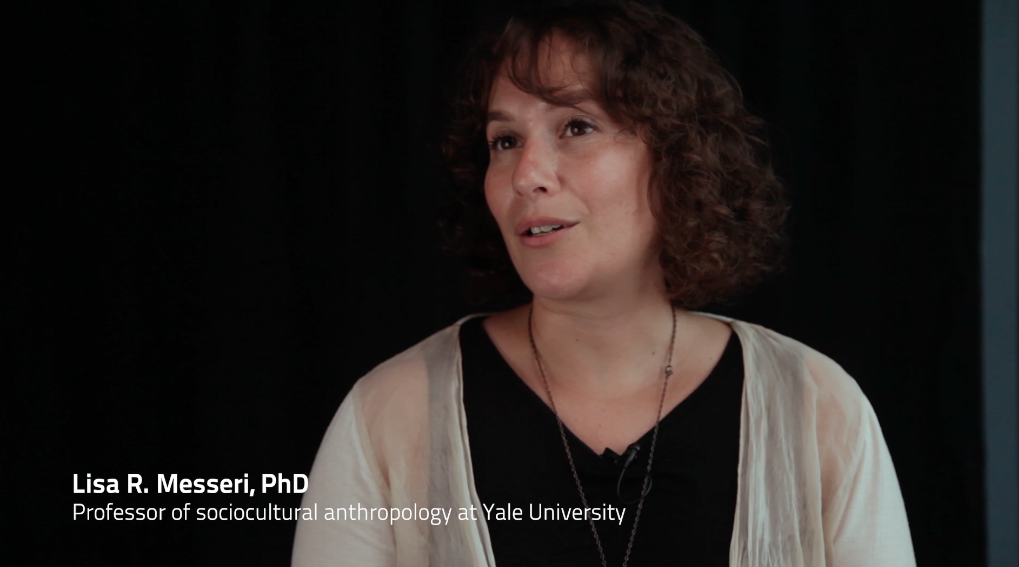
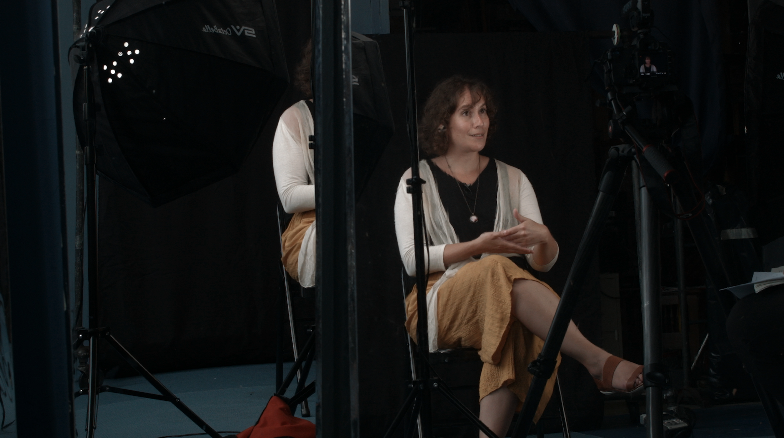
Science is the product of human labor. Everything we know about the planets is a built construct. Dr. Lisa Messeri (Professor of Sociocultural Anthropology at Yale University) studies people whose work is science and technology, and how what they create impacts on our way of understanding and inhabiting the world. Her concept of “planetary imagination” is a way of addressing what is not conveyed in scientific papers: the intangible ways in which scientists understand planets, what other researchers might call “a structure of feeling.”
In the last scene, the scientist converses with her data:
— Scientist: Knowing things like this expands our universe but at the same time
makes it smaller; things seem more knowable and more intimate.
— Data: It pleases me to be a pathway to a more intimate universe.
A Demon that Slips into Your Telescopes while You’re Dead Tired and Blocks the Light (4K, 54 min, 2019)
Director and screenwriter: Itziar Barrio
Speculative fiction writer: Janani Balasubramanian
Brown Dwarf: Sophia Mak
Star and Wise 0855 water-ice: Bex Kwan
Data: Janani Balasubramanian
Scientist: Kelly Haran
Astronomers:
Dr. Jacky Faherty, Senior Scientist and Senior Education Manager,
Department of Astrophysics and the Department of Education, American Museum of Natural History
Dr. Steve B. Howell. Chief, Space Science & Astrobiology Division. NASA, Ames Research Center
Anthropologist: Lisa R. Messeri, PhD Professor of sociocultural anthropology,
Drone operator: Bayyina Black
Cinematography: Ruben Collado, Peter Fuhrman, Chelsea Knight and Itziar Barrio
Production assistants: Sarah Anderson, Laura Brown, Olivia Divecchia, Zac Spears
Make up artist and stylist: Tora López
Editors: Itziar Barrio, Maria Abad
Color and audio correction: Maria Abad
Animations: Myles Santifer
Original music: Keith Milgaten
Audio Mixer: Matthew Jinks
Scientific Advisors: Dr. Georgina Berrozpe, Dr. Mandë Holford
Translations: Lucia Martínez
Texts fragments from:
For Space, Doreen Massey, SAGE Publications LTD, 2005
A Global Sense Of Place, Doreen Massey, Marxism Today, 1991
Archives:
Smithsonian National Air and Space Museum
Kitt Peak National Observatory
NASA, National Aeronautics and Space Administration
National Archives and Records Administration
Creative Commons
Filmed at:
Kitt Peak National Observatory in the Schuk Toak District on the Tohono O’odham Nation/National Optical Astronomy Observatory/ Association of Universities for Research in Astronomy/ National Science Foundation, Arizona
American Museum of Natural History, New York City, NY
CSV, The Clemente Cultural Center, New York City, NY
Mountain State Park, New Jersey
Different locations, Brooklyn, New York
Fine Line Farm, Maine
Different locations, Vermont
Skowhegan, Maine
La Caverna Bar, New York City, NY
Produced by BBVA Foundation, MULTIVERSO Fellowship 2017
Many thanks: Dr. Lori Allen, Sarah Anderson, Bayyina Black, Benny (La Caverna), Georgina Berrozpe, Joanne Flores, Lia Gangitano, Steve B. Howell, Chelsea Knight, Julia Morandeira, Dr. Stephen M. Pompea, Jessica Rose, Robert Sparks, La TEA Theater and Alexis Wilkinson